Carbon graphite has a unique set of physical properties that allows it to be used in environments where traditional lubricants and other self-lubricating materials will fail.



Carbon graphite has a unique set of physical properties that allows it to be used in environments where traditional lubricants and other self-lubricating materials will fail.

When most people think of rocket propulsion systems, they envision the violent combustion that propels the booster forward and gives off immense heat during operation.

Manufacturers have struggled with proper sealing of low viscosity fluids for years. Effectively stopping materials like Freon refrigerants, liquid oxygen, propane, and acetone are vital to production for industry leaders. Luckily, there's now a solution to this (un)impenetrable problem: antimony-impregnated carbon graphite.

Catch Metcar in the October 2022 issue of Pumps & Systems to learn about how carbon graphite can be a solution in food and beverage processing.
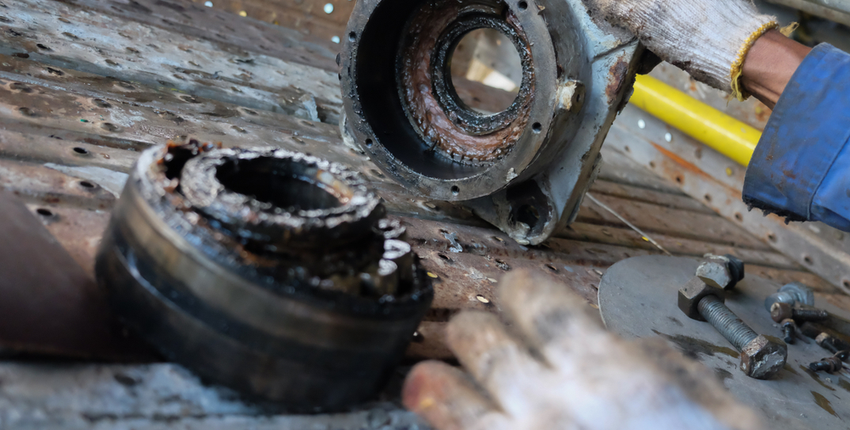
When pumps run dry, it can lead to failures, downtime, and unwanted expenses.
Dry running occurs when a pump does not have enough fluid present. In submersible pumps, the fluid acts as a lubricant and coolant to dissipate heat generated by the pump through the media. However, when no fluid is present, there can be catastrophic failures within the pump.